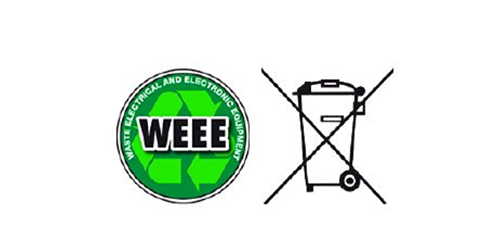
WEEE testing ensures compliance with environmental regulations governing the disposal, recycling, and recovery of electronic and electrical waste. The WEEE Directive (2012/19/EU) in the EU and similar regulations worldwide (e.g., RoHS, REACH, and e-waste laws) require manufacturers to assess and manage the environmental impact of their products.
- RoHS Compliance Testing (Restriction of Hazardous Substances)
- Checks for restricted materials (Pb, Cd, Hg, Cr⁶⁺, PBB, PBDE, etc.)
- Conducted via XRF (X-ray Fluorescence) analyzers or chemical analysis
- Evaluates how easily a product can be taken apart for recycling
- Assesses use of screws vs. adhesives, modularity, and material separation
- Ensures safe removal and disposal of batteries (Li-ion, Ni-Cd, etc.)
- Checks for leakage risks and proper labeling
- Verifies if products have the WEEE symbol (crossed-out wheeled bin)
- Ensures proper disposal instructions
Sample Collection – Select representative products for testing
Material Analysis – XRF, ICP-MS, or wet chemistry tests for restricted substances
Disassembly Evaluation – Manual or automated dismantling assessment
Recycling Simulation – Tests metal/plastic recovery efficiency
Documentation & Certification – Prepares compliance reports for authorities
- XRF Analyzers (for RoHS compliance)
-ICP-MS (Inductively Coupled Plasma Mass Spectrometry) – Detects trace metals
- GC-MS (Gas Chromatography-Mass Spectrometry) – Tests for organic pollutants
- Shredding & Sorting Machines(for recycling efficiency tests)