For electronic products entering the European market, CE testing is often considered one of the most important steps before commercial launch. However, achieving compliance is not simply about completing a single test or attaching a CE mark to a product. The process involves understanding applicable regulations, selecting appropriate testing standards, verifying product safety, and preparing reliable technical documentation.
CE electronics certification demonstrates that electronic equipment meets relevant European Union requirements related to safety, electromagnetic compatibility, and other applicable compliance areas. For manufacturers, the challenge is usually not only passing the final evaluation but also ensuring that compliance requirements are considered throughout product design and development.
Different electronic products may follow different compliance paths. A consumer electronic device, an industrial controller, and a wireless communication product may all require CE marking, but the specific testing requirements can vary depending on their functions, components, and intended applications. Understanding the requirements behind CE certification for electronic devices helps manufacturers reduce unexpected testing failures and avoid unnecessary redesign costs.
As an experienced compliance service provider, Huak-cer helps companies understand applicable certification requirements, arrange product evaluation, and prepare supporting compliance documents. Businesses can learn more about available certification services and how professional support can simplify the CE compliance process.
The first step in preparing an electronic product for CE compliance is identifying which requirements apply. CE marking is not a single certification standard. Instead, it is based on different European regulations and harmonized standards that address specific product risks.
For many electrical and electronic products, the main evaluation areas include electromagnetic compatibility (EMC), electrical safety, hazardous substance restrictions, and wireless communication requirements. The exact combination depends on factors such as product design, power supply characteristics, communication functions, and intended use environment.
| Compliance Area | Main Purpose | Products Commonly Involved |
|---|---|---|
| EMC Testing | Ensures electronic equipment does not create unacceptable electromagnetic interference and can operate properly in its environment | Consumer electronics, industrial controllers, smart devices |
| Electrical Safety Testing | Evaluates risks related to electric shock, overheating, insulation failure, and other safety hazards | Power supplies, appliances, electronic equipment |
| RoHS Compliance Evaluation | Verifies restrictions on specific hazardous substances used in electrical and electronic products | Electronic components and finished products |
| Radio Equipment Testing | Assesses products that transmit or receive wireless signals | Bluetooth devices, Wi-Fi products, IoT equipment |
Choosing the correct standards at an early stage can significantly influence the efficiency of the entire certification process. A common mistake is sending a product for testing before confirming which requirements actually apply. When the wrong standards are selected, companies may face additional evaluations, design changes, or delays in market release.
For this reason, manufacturers preparing for CE electronics certification should begin compliance planning during product development rather than treating testing as the final step before shipment.
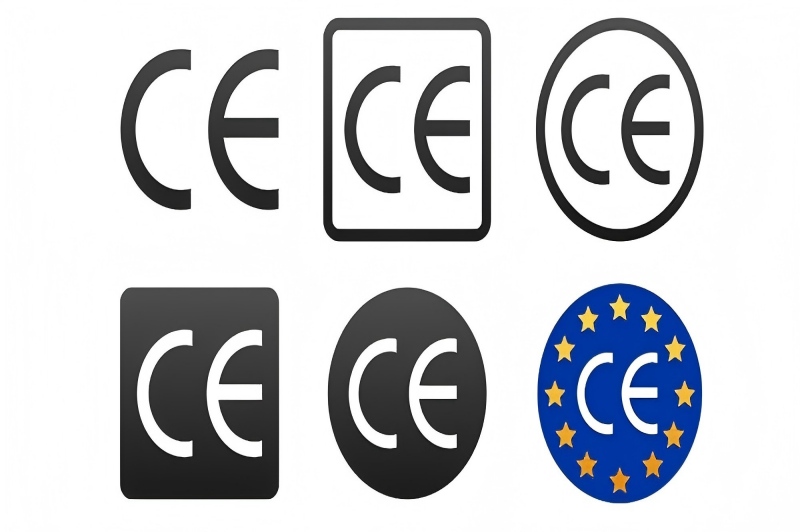
Electrical safety is one of the core elements of CE certification for electronic devices. The purpose of safety evaluation is to confirm that products can operate safely under normal conditions while reducing risks caused by electrical faults, overheating, or component failures.
Safety testing requirements vary according to product type, but many electronic products require evaluation of electrical insulation, protection against electric shock, temperature control, and the reliability of safety-related components. Equipment connected to mains power often receives particular attention because failures in power-related parts can directly affect user safety.
For example, power adapters, electronic control systems, laboratory equipment, and household electrical devices typically require detailed safety assessment before entering the European market. The Low Voltage Directive (LVD) is one of the important regulatory frameworks for electrical equipment within its applicable scope, requiring manufacturers to demonstrate that products meet essential safety requirements.
Many compliance problems can be avoided by considering safety requirements during the design stage. Selecting suitable components, reviewing circuit protection methods, and evaluating thermal performance before formal testing can reduce the possibility of failure later.
A well-prepared CE electronics certification process does not begin in the laboratory. It begins when engineers make design decisions that support compliance from the beginning.
Among all CE testing requirements, electromagnetic compatibility (EMC) is one of the areas where electronic products frequently encounter challenges. Modern devices often contain processors, switching power supplies, wireless modules, and high-speed communication systems, all of which can influence electromagnetic performance.
EMC testing evaluates whether a product can function correctly without causing harmful interference to other equipment. It also checks whether the product can maintain stable operation when exposed to electromagnetic disturbances from its surrounding environment.
The two major aspects of EMC evaluation are emission and immunity. Emission testing focuses on the electromagnetic energy produced by the device, while immunity testing examines whether the device can resist external interference.
Many electronic products fail EMC testing because of issues that originate in the design stage. Examples include insufficient shielding, unsuitable PCB layout, poor grounding methods, or unexpected interference from internal components.
For companies seeking CE certification for electronic devices, early EMC assessment can provide valuable information before formal certification testing begins. Identifying potential interference problems during development is usually faster and more cost-effective than modifying a finished product.
Passing CE testing is only one part of demonstrating compliance. Electronic products placed on the European market must also be supported by complete technical documentation that explains how the product meets applicable requirements.
Technical documentation provides evidence of the product design, risk evaluation, testing results, and conformity assessment process. It allows manufacturers, distributors, and regulatory authorities to understand why the product complies with relevant EU requirements.
For CE certification for electronic devices, the technical file usually includes product specifications, design information, test reports, risk assessments, user instructions, and the Declaration of Conformity (DoC). The level of detail required depends on the product category and the regulations that apply.
One common mistake among manufacturers is focusing heavily on laboratory testing while overlooking documentation preparation. Even when a product performs well during testing, incomplete or inconsistent technical records may create compliance difficulties later.
A complete documentation system also helps companies manage future product updates. When components, software, or product functions change, clear technical records make it easier to determine whether additional evaluation is required.
The CE testing process can become complicated when compliance considerations are introduced too late. Many testing problems are not caused by the final evaluation itself but by decisions made earlier during product design and development.
| Common Challenge | Why It Happens | How to Reduce the Risk |
|---|---|---|
| EMC testing failure | Product design does not sufficiently control electromagnetic interference | Review PCB design, shielding methods, and conduct pre-compliance EMC evaluation before final testing |
| Safety issues during evaluation | Insufficient protection design or unsuitable components | Consider electrical safety requirements during the early design stage |
| Incomplete technical documentation | Testing records and product information are not properly prepared | Maintain compliance documents throughout product development |
| Incorrect standard selection | The product is evaluated against unsuitable requirements | Identify applicable directives and standards before arranging testing |
Another challenge is keeping up with changing regulatory expectations. Electronic products continue to evolve, especially with the growth of smart devices, connected equipment, and wireless technologies. Manufacturers need to ensure that their compliance approach matches both current product features and applicable European requirements.
A structured approach to CE electronics certification can help businesses identify risks earlier, improve testing efficiency, and avoid unexpected changes after product completion.
Preparing for CE testing should be considered a continuous process rather than a final inspection step. The most effective approach is to integrate compliance considerations into product planning, engineering design, and production management.
Before submitting a product for evaluation, manufacturers should review applicable EU requirements, confirm testing standards, and ensure that critical components support compliance objectives. Early technical reviews can reveal potential safety or EMC concerns before they become expensive problems.
Pre-compliance testing is also a valuable practice for electronic products. Although it does not replace official certification testing, it allows companies to identify weaknesses and improve product performance before entering the formal evaluation stage.
Maintaining accurate technical documentation throughout development is equally important. Instead of creating documents only after testing begins, manufacturers can build compliance records as design decisions are made. This approach makes the final certification process more efficient and easier to manage.
For businesses unfamiliar with complex European requirements, working with an experienced certification partner can simplify the process. Huak-cer assists companies in evaluating compliance requirements, preparing certification materials, and addressing technical challenges during the certification process.
CE testing requirements for electronic products involve much more than a final laboratory assessment. Successful compliance depends on selecting suitable standards, verifying product safety, managing electromagnetic performance, and maintaining complete technical documentation.
For companies entering the European market, understanding CE certification for electronic devices before product development is completed can reduce certification risks and improve overall efficiency. From consumer electronics and industrial equipment to smart connected devices, a well-planned compliance strategy provides stronger support for successful market entry.
CE electronics certification represents a combination of technical evaluation, regulatory understanding, and product responsibility. By approaching compliance as part of the product development process, manufacturers can create safer products while reducing unnecessary testing delays.
If you need professional guidance regarding electronic product compliance evaluation, testing requirements, or certification planning, you can contact the Huak-cer team through the contact page for further assistance.
CE testing evaluates whether electronic products meet applicable European requirements related to safety, electromagnetic compatibility, and other relevant regulations before being placed on the EU market.
Many electrical and electronic products require CE marking when they fall under applicable EU directives, including consumer electronics, industrial equipment, power-related devices, and wireless products.
Common evaluations include electrical safety testing, EMC testing, and other product-specific assessments depending on the device function and applicable regulations.
Common reasons include electromagnetic interference problems, insufficient safety design, incorrect standards selection, and incomplete technical documentation.
Yes. Pre-compliance testing can help identify potential problems before formal evaluation and reduce the risk of failure during official CE testing.
Companies can improve efficiency by identifying applicable requirements early, selecting suitable components, preparing technical documents during development, and obtaining professional compliance support when needed.


 English
 日本語
日本語 français
 Deutsch
 Español
 italiano
 русский
 português
 العربية
 Türkçe
 dansk
dansk