The global electronics industry relies on complex supply chains involving different materials, components, and manufacturing processes. From circuit boards and connectors to plastic housings and cables, every part of an electronic product may affect its environmental compliance status. Ensuring that these materials meet regulatory requirements has become an essential step before products reach international markets.
RoHS testing services help manufacturers and suppliers identify restricted substances in electrical and electronic products and confirm whether their materials comply with environmental safety requirements. Through professional laboratory analysis, companies can better understand product compliance risks and take corrective actions when necessary.
Partnering with an experienced RoHS testing lab enables businesses to obtain reliable test data, detailed compliance reports, and technical support throughout the evaluation process. These services not only help meet regulatory expectations but also provide stronger confidence for customers, distributors, and global market expansion. Huak Testing provides professional compliance testing solutions to help companies evaluate electronic and electrical products according to applicable standards.
RoHS testing services are laboratory testing procedures designed to determine whether electrical and electronic products comply with the Restriction of Hazardous Substances (RoHS) requirements. These services focus on identifying restricted substances in product materials and verifying whether their concentrations meet regulatory limits.
The RoHS Directive was introduced to reduce the environmental impact of hazardous substances commonly found in electronic equipment. The original RoHS requirements controlled six substances, including lead, mercury, cadmium, hexavalent chromium, polybrominated biphenyls (PBB), and polybrominated diphenyl ethers (PBDE). Later updates expanded the scope to include four restricted phthalates: DEHP, BBP, DBP, and DIBP.
These substances may exist in different parts of electronic products, including solder materials, plastic components, cables, coatings, connectors, and circuit boards. Without proper evaluation, manufacturers may face compliance challenges when selling products in regions with strict environmental regulations.
Products commonly evaluated through RoHS testing services include consumer electronics, computers and accessories, lighting products, household electrical appliances, communication devices, industrial equipment, and electronic components.
A qualified RoHS testing lab can help companies identify potential risks and provide reliable compliance reports. For businesses involved in children’s electronic products or related categories, Huak Testing also provides professional solutions including products certification services.
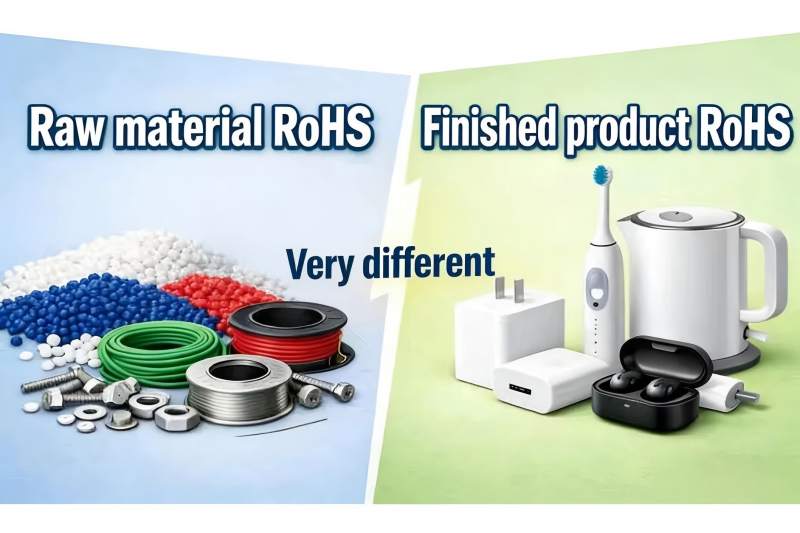
The requirements covered by RoHS testing services depend on product type, material composition, and target market requirements. Since electronic products usually contain multiple materials and components, each part may require separate evaluation.
A typical RoHS compliance process begins with collecting product information, material specifications, and component details. A professional RoHS testing lab then analyzes selected samples to determine whether restricted substances are present and whether their levels comply with applicable limits.
Common products requiring RoHS testing include printed circuit boards, power adapters, chargers, cables, connectors, LED lighting equipment, electronic toys, household appliances, and industrial control systems.
Because hazardous substances may be concentrated in specific components, professional testing laboratories usually evaluate different material categories separately. Plastic housings, metal parts, solder joints, and electronic assemblies may all require different analytical approaches.
Using professional RoHS testing services allows manufacturers to identify compliance problems before mass production or international distribution, helping reduce risks related to product recalls and market delays.
The main purpose of RoHS testing services is to detect restricted substances regulated under RoHS requirements. These evaluations help manufacturers confirm whether their products meet environmental compliance expectations.
| Restricted Substance | Common Applications | Reason for Evaluation |
|---|---|---|
| Lead (Pb) | Solder materials, coatings, electronic components | Control potential environmental and health risks |
| Mercury (Hg) | Switches, lamps, electrical components | Reduce toxic substance risks |
| Cadmium (Cd) | Battery parts, coatings, electronic contacts | Prevent environmental accumulation |
| Hexavalent Chromium (Cr6+) | Metal coatings and corrosion protection materials | Control hazardous chemical exposure |
| PBB | Plastic flame retardant materials | Restrict persistent chemical substances |
| PBDE | Plastic housings and electronic materials | Control restricted flame retardants |
| DEHP, BBP, DBP, DIBP | Cables, flexible plastics, insulation materials | Limit restricted phthalates |
The exact testing scope depends on product design, material selection, and applicable regulations. A professional RoHS testing lab can help manufacturers determine which components require analysis and ensure comprehensive compliance evaluation.
RoHS testing services evaluate electronic products by analyzing individual materials and components that may contain restricted substances. Since modern electronic devices often include many different parts, a systematic testing process is necessary.
The evaluation process usually involves sample preparation, material identification, screening analysis, and laboratory confirmation. Initial screening helps identify potential risks, while further chemical analysis determines the concentration levels of restricted substances.
Materials commonly tested include plastic housings, cables, metal components, printed circuit boards, solder materials, connectors, coatings, and internal electronic parts.
A reliable RoHS testing lab uses professional testing equipment and standardized procedures to generate accurate results. Test reports typically include product information, tested materials, testing methods, results, and compliance conclusions.
For companies exporting electronic products internationally, these reports provide important compliance evidence and help improve communication with customers, distributors, and regulatory organizations.
Professional RoHS testing services provide significant value for manufacturers and suppliers seeking global market access.
First, RoHS testing helps companies identify restricted substances before products enter the market. Detecting potential issues at an early stage allows manufacturers to replace non-compliant materials or modify product designs before large-scale production.
Second, compliance reports improve customer confidence. Documentation from a qualified RoHS testing lab demonstrates that products have undergone professional evaluation and meet environmental requirements.
Third, RoHS testing supports international expansion. Many markets require electronic products to comply with environmental regulations, making reliable testing documentation an important part of global sales strategies.
Huak Testing provides professional testing services to support product compliance evaluation, laboratory analysis, and technical guidance. Companies requiring further assistance can visit the Huak Testing contact page to discuss testing requirements.
Electronic products often require multiple compliance evaluations because different standards focus on different aspects of product safety, environmental protection, and performance.
| Testing Method | Main Focus | Typical Applications |
|---|---|---|
| RoHS Testing Services | Restriction of hazardous substances in electronic products | Electrical and electronic equipment |
| REACH Testing | Chemical substance control requirements | Consumer products and industrial materials |
| Electrical Safety Testing | Product safety and user protection | Appliances and electronic devices |
| EMC Testing | Electromagnetic compatibility performance | Communication equipment and electronic systems |
| Performance Testing | Product function and durability verification | Consumer and industrial products |
While other compliance methods evaluate different product characteristics, RoHS testing services specifically focus on hazardous substance restrictions. Combining RoHS evaluation with other applicable tests helps companies achieve more complete product compliance.
Environmental compliance has become an essential requirement for electronic and electrical products entering global markets. Professional RoHS testing services help manufacturers verify product safety, identify restricted substances, and reduce compliance risks.
From component-level analysis to finished product evaluation, an experienced RoHS testing lab provides reliable testing results and documentation to support international market access. Huak Testing helps companies understand RoHS requirements and complete professional testing procedures for electronic and electrical products.
RoHS testing services evaluate whether electrical and electronic products comply with restrictions on hazardous substances required by RoHS regulations.
Common products include electronic devices, electrical equipment, lighting products, cables, components, and consumer electronics.
RoHS testing commonly evaluates lead, mercury, cadmium, hexavalent chromium, PBB, PBDE, and four restricted phthalates.
A RoHS testing lab analyzes product materials and components using professional chemical testing methods to measure restricted substance levels.
Requirements vary by region, but many countries apply RoHS or similar environmental compliance regulations for electronic products.
Professional RoHS testing services provide accurate results, compliance reports, and technical support to help companies reduce market access risks.


 English
 日本語
日本語 français
 Deutsch
 Español
 italiano
 русский
 português
 العربية
 Türkçe
 dansk
dansk