The global marketplace for smart wireless devices is expanding rapidly, but so is the regulatory scrutiny on major e-commerce platforms. If you are a manufacturer or exporter aiming to sell Bluetooth-enabled products on retail giants like Amazon and Walmart, navigating their compliance framework can feel like walking through a maze.
Among the various compliance hurdles, BQB certification stands out as an absolute non-negotiable requirement. Administered by the Bluetooth Special Interest Group (SIG), this mandatory qualification program ensures that all wireless devices meet strict global standards for interoperability and radio frequency (RF) performance. Failing to secure this certification before launching your product can result in immediate listing suppression, inventory destruction, and devastating financial losses.
Amazon and Walmart have transformed from simple online storefronts into highly regulated ecosystems. To protect consumers and defend intellectual property rights, both platforms have instituted automated compliance bots that scan listings for specific keywords, trademarks, and wireless capabilities.
If your product utilizes Bluetooth technology—whether it is a pair of smart earbuds, a connected household appliance, or a children's electronic toy—you are legally obligated to complete the Bluetooth BQB qualification. The term "Bluetooth" is a registered trademark owned by the Bluetooth SIG. Without completing the proper BQB certification process and obtaining a Validated Declaration ID (DID), you have no legal right to use the Bluetooth logo, name, or technology on your packaging, user manuals, or online product descriptions.
When Amazon or Walmart flags an uncertified wireless product, they do not just send a warning. They immediately remove the product listing from the shelf, halt active advertising campaigns, and may freeze your seller account balance. For B2B manufacturers supplying overseas retailers, a single compliance failure can destroy long-term distribution partnerships overnight.
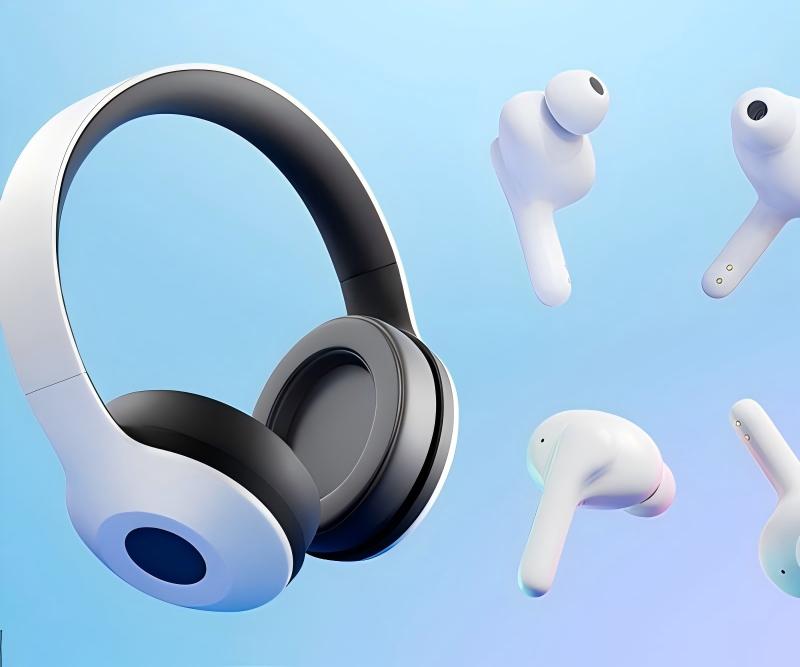
Some manufacturers attempt to bypass the Bluetooth BQB process by using pre-certified Bluetooth modules, assuming that the module’s existing qualification covers their end product automatically. This is a critical misunderstanding that frequently leads to costly border delays and inventory seizures.
While integrating a pre-qualified Bluetooth module simplifies the engineering phase, the final end product must still be officially registered and listed under the Bluetooth SIG End Product List (EPL). Skipping this final submission step means your product technically lacks a valid BQB certification, making it unauthorized for commercial sale.
The consequences of bypassing the Bluetooth BQB test phase extend far beyond digital platforms:
Customs Seizures: Customs border protection agencies worldwide routinely cross-reference incoming wireless shipments with the Bluetooth SIG public database. Unlisted products face immediate detention and confiscation.
Legal Prosecution: Intellectual property infringement lawsuits from the Bluetooth SIG can result in heavy statutory fines.
Insurance Denial: If an uncertified wireless device causes a domestic accident (such as a battery fire or electrical malfunction), product liability insurance companies frequently refuse to cover the damages, leaving your business exposed to immense financial liability.
Achieving compliance does not have to be an overwhelming ordeal if you understand the core components of the evaluation process. The path to a successful BQB certification is divided into clear, standardized stages designed to verify both hardware capability and software stack alignment.
To satisfy the requirements of an authorized Bluetooth BQB laboratory, your smart wireless device must pass three layers of evaluation:
RF/PHY Testing: Evaluates frequency, output power, and modulation characteristics to prove the hardware does not cause harmful signal interference.
Protocol Testing: Verifies stack compliance to ensure the software properly communicates according to official SIG framework rules.
Profile Testing: Tests specific application capabilities, such as GATT or A2DP, ensuring seamless interoperability with other smart devices.
Once the physical testing phases are complete, a comprehensive technical file must be assembled, including test reports from an authorized laboratory, technical schematics, and a formal Declaration of Compliance (DoC). The final step involves paying the mandatory Bluetooth SIG listing fee—which stands at a fixed $8,000 per product family for standard implementations—to secure your unique Qualified Design ID (QDID) and finalize your End Product Listing.
Depending on how your product was designed, the technical path to achieving a Bluetooth BQB qualification will vary. Understanding the distinction between Reference Design Approval (RDA) and Qualified Design Listing (QDL) is vital for budgeting your compliance costs and development timelines.
The following table breaks down the key differences between these two compliance pathways:
| Certification Pathway | Ideal Product Scenario | Testing Requirements | Timeline to Compliance |
|---|---|---|---|
| Reference Design Approval (RDA) | Products built using unchanged, pre-certified Bluetooth modules or chips. | Minimal testing; focuses primarily on profile/GATT layer confirmation. | 1 to 2 Weeks. |
| Qualified Design Listing (QDL) | Custom hardware designs, unique antenna integrations, or modified software stacks. | Full RF/PHY, Protocol, and Profile testing required at an authorized lab. | 2 to 4 Weeks. |
Choosing the wrong pathway can result in unnecessary testing expenses or severe technical delays. Working alongside an experienced third-party testing provider ensures that your smart device is routed through the fastest, most cost-effective compliance track available.
Navigating the technical complexities of wireless compliance requires an experienced partner who can bridge the gap between complex laboratory standards and practical marketplace demands. At Huak Testing, we specialize in helping global manufacturers break through trade barriers and achieve seamless market access.
As a leading accredited third-party testing provider, our state-of-the-art laboratories offer precise measurements, comprehensive reporting, and accelerated timelines for your Bluetooth BQB requirements. Our team of compliance experts guides you through every step—from initial pre-qualification testing to navigating the final Bluetooth SIG portal submission.
Beyond Bluetooth qualifications, we provide a full suite of regulatory testing services tailored for the RF and telecommunications sectors. You can explore our Wireless Communication Appliances Testing hub to see how we assist brands in navigating global RF spectrum regulations, cellular protocols, and smart device certifications.
Do not let compliance bottlenecks delay your product launch or disrupt your digital storefronts. Connect directly with our experts today to get a detailed technical consultation, and optimize your BQB certification roadmap with absolute confidence.
Succeeding on high-volume retail platforms like Amazon and Walmart demands an absolute commitment to regulatory compliance. Securing a BQB certification is not a bureaucratic option; it is a fundamental commercial shield that protects your brand from listing removals, custom seizures, and legal liabilities. By understanding the distinct pathways of Bluetooth BQB testing and partnering with an accredited laboratory like Huak Testing, you can safeguard your investments, streamline your time-to-market, and deliver reliable, globally compliant wireless products to consumers worldwide.
No. Even if the internal module has a valid qualification, your final end product must be registered on the Bluetooth SIG End Product List (EPL) under your own company profile. Using the trademark without your own unique Declaration ID (DID) is considered an infringement and can result in your Amazon listing being removed.
The standard declaration fee managed directly by the Bluetooth SIG is $8,000 per product family for Adopter members. Working with an expert laboratory ensures your product passes the Bluetooth BQB test phase on the first attempt, preventing you from wasting this significant financial investment on failed submissions.
The timeline depends heavily on your product design. If you are leveraging an existing reference design (RDA), the administrative process takes about 1 to 2 weeks. For custom designs requiring a full Qualified Design Listing (QDL), laboratory testing and validation typically take 2 to 4 weeks.
Walmart enforces strict product safety and compliance policies. If a device is found to lack proper BQB certification, the platform will immediately suppress the listing, withhold pending payouts for those sales, and potentially terminate the supplier contract if systemic compliance failures are discovered.


 English
 日本語
日本語 français
 Deutsch
 Español
 italiano
 русский
 português
 العربية
 Türkçe
 dansk
dansk