CE testing and CE certification are often used interchangeably, but they represent different stages of the European product compliance process. CE testing focuses on evaluating whether a product meets applicable European safety, health, and environmental requirements, while CE certification refers to the overall process of demonstrating compliance and allowing manufacturers to apply the CE marking.
For manufacturers planning to enter the European market, understanding the difference between CE testing and CE certification is essential. A proper CE compliance testing process helps identify potential risks, verify product performance, and prepare the technical documentation required for regulatory compliance. As an experienced testing and certification partner, HUAK provides professional compliance solutions to help global manufacturers navigate European market access requirements.
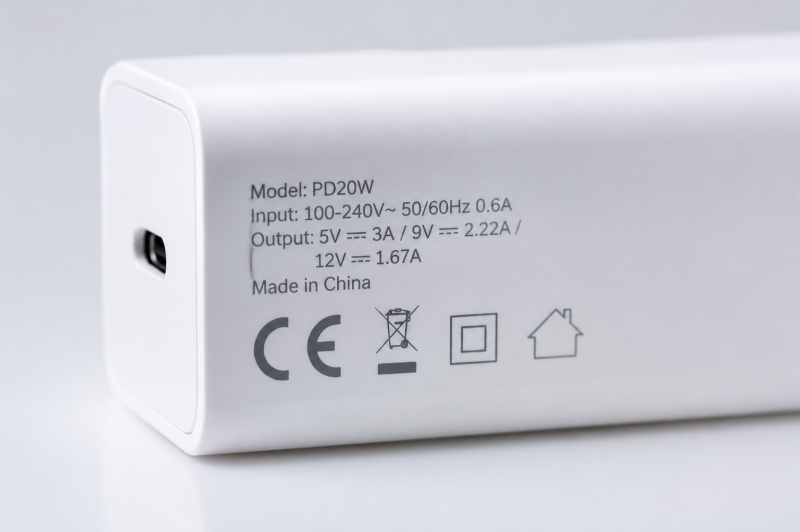
CE testing is the process of assessing a product against relevant European standards and regulatory requirements. During this stage, laboratories evaluate product characteristics to determine whether they meet applicable safety, electromagnetic compatibility, chemical, or performance requirements.
The specific tests required depend on the product category and applicable EU legislation. For example, electronic products may require electromagnetic compatibility testing, while machinery may require safety assessments based on relevant harmonized standards.
A professional CE compliance testing service typically includes:
Identifying applicable EU directives and harmonized standards
Evaluating product safety and performance requirements
Conducting laboratory tests based on product risks
Providing test reports and technical evidence for compliance evaluation
CE testing is an important foundation of the CE marking process because it provides objective evidence that a product has been evaluated according to European requirements.
Manufacturers can learn more about HUAK’s professional product testing services to understand how laboratory evaluation supports international compliance.
CE certification refers to the complete process of achieving CE compliance and placing the CE mark on products sold within the European Economic Area. Unlike some certification systems where a certificate is always issued by a third party, CE marking often follows a manufacturer’s declaration of conformity when the applicable regulations allow self-assessment.
The CE certification process usually involves several important steps:
| Step | Description |
|---|---|
| Identify Regulations | Determine which EU directives and standards apply to the product. |
| CE Testing | Perform necessary evaluations to verify product compliance. |
| Technical Documentation | Prepare test reports, risk assessments, manuals, and compliance records. |
| Declaration of Conformity | The manufacturer confirms that the product meets applicable EU requirements. |
| CE Marking | The CE mark is placed on the compliant product before market entry. |
Therefore, CE testing is one part of the broader CE certification process. Testing provides evidence, while CE certification represents the manufacturer’s overall compliance procedure.
Although closely related, CE testing and CE certification serve different purposes. Understanding these differences can help manufacturers avoid unnecessary delays and compliance problems when exporting products to Europe.
| Aspect | CE Testing | CE Certification |
|---|---|---|
| Main Purpose | Verify whether products meet specific technical requirements. | Demonstrate overall compliance with applicable EU regulations. |
| Performed By | Testing laboratories or qualified evaluation organizations. | Manufacturers, or notified bodies when required. |
| Main Output | Test reports and technical evidence. | Declaration of Conformity and CE marking authorization process. |
| Application | Focuses on product evaluation. | Focuses on market access compliance. |
For many products, manufacturers need both effective CE compliance testing and a complete compliance procedure before applying the CE mark. Skipping proper evaluation may result in product recalls, customs issues, or difficulties entering European markets.
No. Not every product requires mandatory third-party CE testing. The requirement depends on the product category, applicable EU legislation, and risk classification.
For lower-risk products, manufacturers may be able to conduct conformity assessments internally and prepare the required technical documentation. However, higher-risk products often require assessment by a notified body recognized by the European Union.
Examples of products that may require specific conformity assessment procedures include:
Medical devices
Certain machinery categories
Personal protective equipment
Some pressure equipment products
Specific high-risk electrical or industrial products
Even when third-party involvement is not mandatory, professional CE compliance testing is still valuable because it helps manufacturers verify product safety and reduce compliance risks.
A notified body is an organization designated by an EU member state to perform conformity assessments for specific product categories. Whether a notified body is required depends on the applicable EU regulations and the risk level of the product.
Manufacturers may need notified body involvement when:
The relevant EU legislation requires third-party conformity assessment
The product belongs to a higher-risk category
Specific certification procedures cannot be completed through self-assessment
For example, certain medical devices, pressure equipment, and protective equipment categories may require notified body assessment before CE marking.
Working with an experienced compliance partner helps manufacturers determine whether notified body involvement is necessary and avoid incorrect certification routes.
Achieving CE compliance requires more than completing a single test. Manufacturers should establish a structured compliance process from product design to market launch.
Key steps include:
Confirm applicable EU directives before product development
Select appropriate harmonized standards for evaluation
Complete reliable CE compliance testing
Maintain accurate technical documentation
Monitor product changes that may affect compliance
HUAK supports manufacturers with testing and certification solutions designed for different industries and international markets. By combining technical expertise with practical compliance experience, HUAK helps businesses reduce export risks and improve efficiency when entering Europe.
Manufacturers looking for professional guidance can explore HUAK’s CE certification services for comprehensive support from testing evaluation to compliance documentation.
CE testing and CE certification are closely connected but serve different roles in European market access. CE testing verifies whether a product meets relevant technical requirements, while CE certification represents the complete compliance process that allows manufacturers to apply the CE mark.
A reliable CE compliance testing strategy helps manufacturers identify potential issues early, prepare accurate documentation, and improve confidence when exporting products to Europe. By working with an experienced partner like HUAK, companies can simplify compliance procedures and build a stronger foundation for international growth.
No. CE testing evaluates whether a product meets technical requirements, while CE certification refers to the complete compliance process required before applying the CE mark.
Not all products require the same tests. The required evaluation depends on product type, applicable EU regulations, and risk classification.
A notified body is required when EU regulations specify third-party conformity assessment for certain higher-risk products.
CE compliance testing helps identify safety and performance issues, supports technical documentation, and reduces risks during European market entry.


 English
 日本語
日本語 français
 Deutsch
 Español
 italiano
 русский
 português
 العربية
 Türkçe
 dansk
dansk